Trademark and Generative AI: Navigating Brand Risks in Synthetic Content

You type a prompt into your favorite Generative AI tool, asking for a "cool, minimalist logo for a coffee shop." The image pops up instantly. It looks great. You hire a developer, launch the site, and start selling beans. Three weeks later, you get a cease-and-desist letter. Your new logo is nearly identical to a registered trademark owned by a major national chain. This isn't a hypothetical nightmare scenario; it is happening right now.
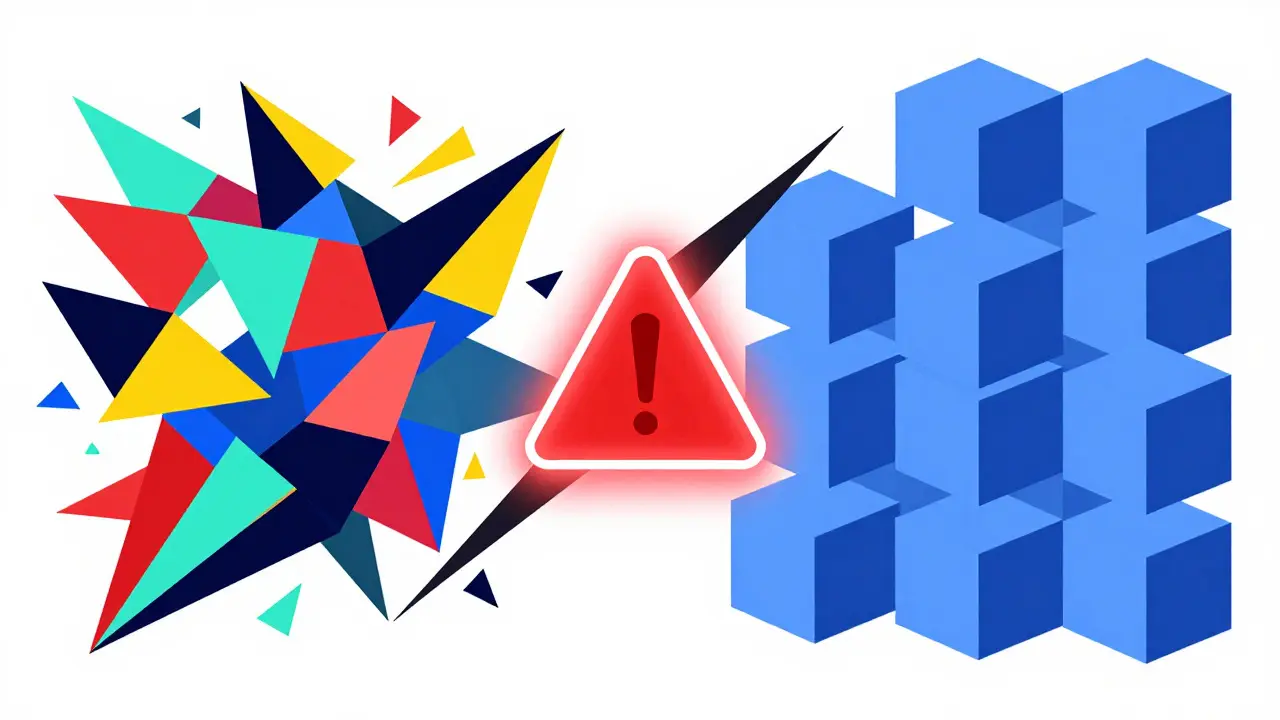
The intersection of Trademark Law and artificial intelligence has become one of the most volatile areas in intellectual property. As brands rush to use AI for marketing materials, logos, and product designs, they are inadvertently stepping into a legal minefield. The core problem? AI models are trained on billions of images from the internet, many of which contain protected trademarks. When these models generate new content, they often remix existing brand elements in ways that confuse consumers-and anger brand owners.
Why Traditional Trademark Rules Struggle with AI
To understand the risk, you have to look at how trademark law works. Unlike copyright, which protects creative expression, Trademark Protection is all about preventing consumer confusion. Under the Lanham Act, specifically 15 U.S.C. § 1114, infringement occurs if a mark is likely to cause confusion regarding the source or sponsorship of goods. The key phrase here is "use in commerce."
Here is where AI complicates things. In traditional cases, a human decides to copy a logo. With Synthetic Content, the AI makes statistical predictions based on patterns it learned during training. According to a 2024 analysis by the AALRR law firm, platforms like Midjourney and Stable Diffusion generated content confusingly similar to existing trademarks in 12-18% of tests when prompted with generic descriptors. That means nearly one in five times you ask for a "sportswear logo," the AI might spit out something that looks too much like Nike’s swoosh or Adidas stripes.
The legal challenge is determining who is responsible. Is it the user who typed the prompt? The company that built the model? Or is the AI itself liable? Currently, courts are leaning toward holding human users accountable because trademark rights derive from actual use in commerce, not just creation. If you put an AI-generated infringing logo on your website, you are using it in commerce, regardless of whether you knew it was infringing.
Real-World Consequences: From Hermès to Small Businesses
The stakes are high. Consider the case of Hermès v. Rothschild. In this landmark decision, a jury awarded $133,000 in damages after finding that AI-generated images called "MetaBirkins" diluted the famous Birkin bag mark. Even though the images were digital art, the court found they harmed the distinctiveness of Hermès' brand. An appeal is pending as of late 2025, but the message is clear: dilution claims under 15 U.S.C. § 1125(c) are powerful weapons against AI misuse.
It’s not just luxury brands facing threats. On Reddit’s r/legaladvice, a small business owner shared their story in November 2024. They used Midjourney to create a logo, only to receive a cease-and-desist letter because it matched a registered mark. The rebranding cost them $8,500 and months of lost revenue. Similarly, GitHub documented 47 verified cases in 2024 where developers faced trademark challenges after using AI for logo generation. In 63% of those cases, the AI platform provided no warning that the output might be infringing.
| Platform | Risk Level | Mitigation Feature | User Feedback (Avg Rating) |
|---|---|---|---|
| Midjourney | High | None built-in | Low (frequent complaints) |
| Canva | Medium-High | Basic screening | 2.8/5 stars (insufficient warnings) |
| Adobe Firefly | Low | Trademark Shield (USPTO cross-reference) | 4.6/5 stars (high praise) |
The Data Behind the Danger
Why does this happen? Because AI models ingest massive amounts of data. Models like GPT-4 reportedly processed over 300 billion web pages containing registered trademarks, according to Common Crawl data from 2023. Professor Rebecca Tushnet of Harvard Law School testified before the Senate Judiciary Committee in May 2023 that "AI's statistical prediction methods inherently reproduce popular visual elements, making trademark infringement statistically probable rather than exceptional." The International Trademark Association’s 2024 Legal Committee Report surveyed 37 trademark specialists and found that 73% of brand owners had discovered AI-generated content misusing their marks online. Of those, 28% reported actual consumer confusion-meaning people genuinely thought the AI-generated product was affiliated with the real brand.
Protecting Your Brand: Practical Steps for 2026
If you are creating content with AI, you need a strategy. Relying on luck is expensive. Here is what top legal teams are doing to mitigate risk:
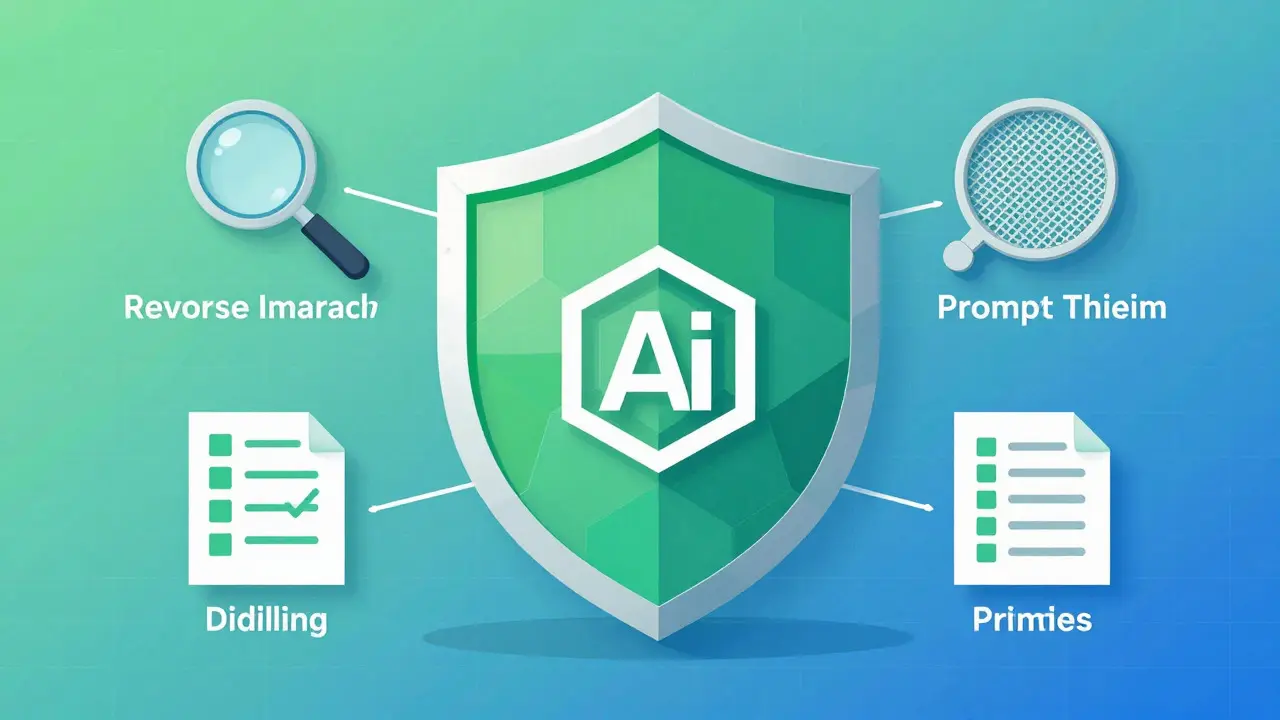
- Implement Prompt Hygiene: Avoid using specific brand names in your prompts. Instead of "a logo like Coca-Cola," try "a red circular beverage logo with white script." This reduces the chance of direct replication.
- Use Specialized Monitoring Tools: Basic Google Alerts catch only 17% of AI-generated infringements. Enterprise solutions like Corsearch AI Monitor cost around $42,000 per year but offer significantly better detection rates. For smaller budgets, consider tools that integrate with the USPTO database.
- Conduct Reverse Image Searches: Before deploying any AI-generated asset, run it through reverse image search engines. Look for visually similar results that might indicate prior art or existing trademarks.
- Document Everything: Keep detailed logs of your AI prompts, iterations, and final selections. In the Hermès case, documentation was crucial. Proof of independent creation can help defend against claims of bad faith, even if unintentional infringement occurred.
- Train Your Team: According to the 2025 Practising Law Institute survey, 89% of in-house counsel say specialized AI/trademark training is now essential. Make sure your marketing and design teams understand the basics of likelihood of confusion.
Regulatory Landscape: What’s Coming Next?
The rules are changing fast. The EU’s 2024 AI Act (Article 28a) requires high-risk AI systems to implement "trademark compliance measures." In the U.S., California’s AB-331, effective January 1, 2025, mandates disclosures for AI-generated content. While federal legislation remains fragmented, proposals like the AI Trademark Protection Act of 2025 (S.1843) aim to create safe harbors for users who implement certification systems.
The USPTO issued updated guidance in August 2025 clarifying that AI-generated marks may be registered if human creators exercise sufficient control over expressive elements. However, registration doesn’t guarantee immunity from infringement claims. The burden remains on the user to ensure their use doesn’t confuse consumers.
Industry analysts predict that by 2026, 40% of trademark disputes will involve AI-generated content, up from 18% in 2024. Deepfake technologies can now replicate brand voices and visuals with over 95% accuracy, according to MIT’s 2025 Media Lab study. This means the window for proactive protection is closing.
FAQ
Is AI-generated content automatically free of trademark issues?
No. Just because an AI created the image doesn't mean it's legally safe. If the output resembles a registered trademark and causes consumer confusion, you can still be held liable for infringement under the Lanham Act.
Who is liable if an AI generates an infringing logo?
Currently, liability typically falls on the human user who deploys the content in commerce. Courts view the user as the party benefiting from and controlling the commercial use, even if the AI did the actual generation.
How can I check if my AI-generated logo infringes a trademark?
You should conduct a comprehensive trademark search using the USPTO database and perform reverse image searches. Using tools with built-in screening, like Adobe Firefly’s Trademark Shield, can also help identify potential conflicts before deployment.
Does the EU AI Act affect US businesses using AI?
If you sell products or services in the European Union, yes. The EU AI Act requires certain AI systems to meet compliance standards, including trademark protections. Non-compliance can result in significant fines and market access restrictions.
What is "dilution" in the context of AI and trademarks?
Dilution refers to weakening the distinctiveness of a famous mark, even without direct competition. In the Hermès case, AI-generated art was found to dilute the Birkin brand by associating it with unrelated digital products, harming its unique identity.
Are there safe harbors for AI users in trademark law?
Not yet federally in the US, but proposed legislation like the AI Trademark Protection Act of 2025 aims to create safe harbors for users who implement rigorous certification and screening systems. Until then, due diligence is your best defense.
- Aug, 13 2026
- Collin Pace
- 0
- Permalink
Written by Collin Pace
View all posts by: Collin Pace