Why Vibe Coding Is Democratizing Software Creation for New Builders
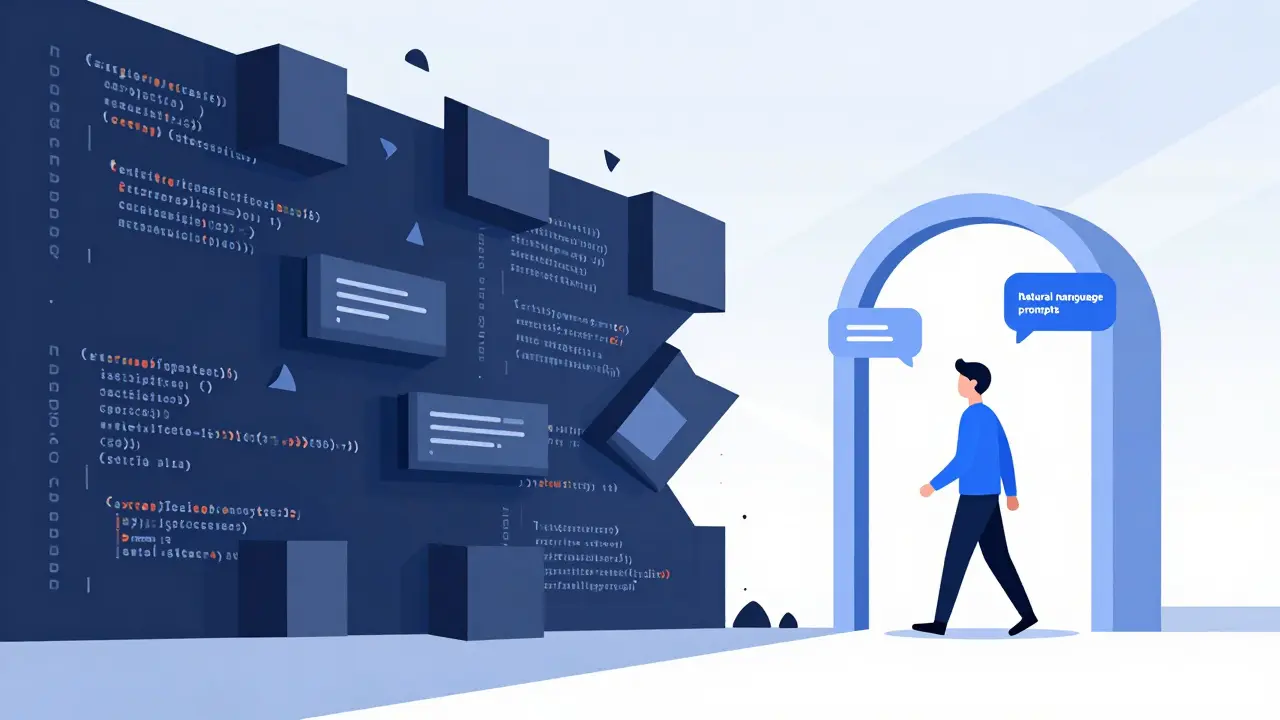
You have a brilliant idea for an app. Maybe it’s a simple tool to track your daily habits, or perhaps a landing page for a side hustle you’ve been dreaming about. In the past, turning that idea into reality meant months of studying syntax, memorizing libraries, and debugging endless errors. Today, that barrier has collapsed. Enter vibe coding, a term that has exploded in popularity as AI tools like Cursor and GitHub Copilot allow anyone with a clear vision to build software by simply describing what they want.
This isn’t just a trend; it is a fundamental shift in how we create digital products. By replacing complex code with natural language conversations, vibe coding is democratizing software creation. It allows product managers, designers, marketers, and hobbyists-people who never wrote a line of Python or JavaScript-to become builders. Let’s look at why this matters, how it works, and where it leads us in 2026.
The End of Syntax Anxiety
Traditional programming is cognitively exhausting. You have to hold the entire architecture of your application in your head while simultaneously worrying about semicolons, indentation, and variable types. This mental load creates a high barrier to entry. Most people give up before they ever see their first functional button because the friction between thought and execution is too high.
Vibe coding removes this friction. When you use an AI-powered editor, you describe your intent in plain English. Instead of typing out twenty lines of CSS to center a div, you type: "Center this card and add a soft shadow." The AI handles the syntax. This automation frees up your brain power for what actually matters: design decisions, user experience, and problem-solving. You stop thinking like a typist and start thinking like an architect.
Is vibe coding the same as no-code?
Not exactly. No-code platforms use visual drag-and-drop interfaces with pre-built blocks. Vibe coding generates actual code (HTML, CSS, JavaScript, Python) based on your prompts. This gives you more flexibility and control than strict no-code tools, but requires less technical knowledge than traditional coding.
Speed as a Competitive Advantage
Time is the enemy of new builders. Ideas die when they sit in notebooks for too long. Traditional development workflows are slow. Building a basic landing page from scratch can take hours of research, setup, and styling. With vibe coding, that same page can be generated in seconds. You describe the layout, colors, and text, and the AI produces a working prototype instantly.
This speed transforms how startups operate. Founders can validate business ideas through functional demos in hours rather than weeks. Imagine pitching an investor with a clickable prototype instead of a static slide deck. You can gather real user feedback early, pivot quickly if something doesn’t work, and avoid spending thousands of dollars on development for features nobody wants. For solo founders and indie hackers, this rapid iteration cycle is a game-changer.
Creativity Without Constraints
When you don’t have to worry about technical implementation details, creativity flows freely. In traditional coding, every creative impulse hits a wall of technical difficulty. Want to change the color scheme? That means hunting down hex codes in multiple files. Want to switch from a grid layout to a list view? That could require rewriting half your CSS.
Vibe coding turns development into an interactive playground. You can ask for variations instantly. "Make it dark mode with neon accents," or "Switch this section to a carousel." The AI implements these changes immediately, allowing you to experiment boldly without fear of wasting time. This encourages artistic expression and helps non-technical creators produce visually sophisticated applications that previously required dedicated design teams.

Who Benefits Most From Vibe Coding?
While professional developers use these tools to boost productivity, the true democratization happens among new builders. Here are the groups seeing the biggest impact:
- Startup Founders: They can build Minimum Viable Products (MVPs) rapidly to test market fit without hiring expensive engineering teams.
- Product Managers: They can create interactive prototypes to communicate requirements clearly to stakeholders and developers.
- Marketers : They can build custom landing pages and microsites tailored to specific campaigns without waiting for IT departments.
- Hobbyists & Artists: They can express creative ideas through interactive web experiences without needing years of coding education.
For example, a marketer might need a unique lead-capture form with specific branding. Instead of submitting a ticket to the development team and waiting two weeks, they can prompt an AI tool to generate the HTML and CSS in minutes. This direct influence over development outcomes reduces miscommunication and accelerates time-to-market.
Best Practices for New Builders
Vibe coding is powerful, but it requires a different mindset than traditional coding. Here are key strategies to get the best results:
- Start Small: Don’t try to build Facebook on day one. Begin with simple projects like a personal portfolio or a calculator app. Break large initiatives into small, manageable features.
- Be Specific: Vague prompts yield vague code. Instead of saying "make it look good," say "use a clean sans-serif font, white background, and blue buttons with rounded corners." Clear instructions lead to better outputs.
- Iterate Quickly: Treat the AI as a collaborative partner. If the first result isn’t perfect, refine your prompt. Ask it to fix bugs, adjust styles, or explain its logic. Each interaction improves the final product.
- Document Your Prompts: Save successful prompt patterns. Over time, you’ll develop a library of effective instructions that speed up future projects.
- Test Early: Even AI-generated code needs testing. Check your application on different devices and browsers to ensure compatibility and usability.
Limitations and Risks
Vibe coding is not a magic wand. There are important limitations to understand. First, AI can make mistakes. It might generate code that looks correct but contains subtle bugs or security vulnerabilities. Second, complex applications still require architectural planning. An AI can write individual functions, but it cannot decide whether your database schema is efficient or scalable.
Security is another concern. While AI tools are improving, they may not always adhere to the latest security standards. New builders should be cautious about handling sensitive user data in apps created primarily through vibe coding. For now, these tools excel at front-end interfaces, marketing sites, and internal tools, but mission-critical systems still benefit from human expert review.
The Future of Software Creation
We are only at the beginning of this shift. As AI models become more sophisticated, vibe coding will expand beyond front-end styling into full-stack development. Expect AI to handle backend logic, database integration, and deployment pipelines automatically. Security and compliance checks will likely become proactive, with AI systems ensuring code meets GDPR and accessibility standards by default.
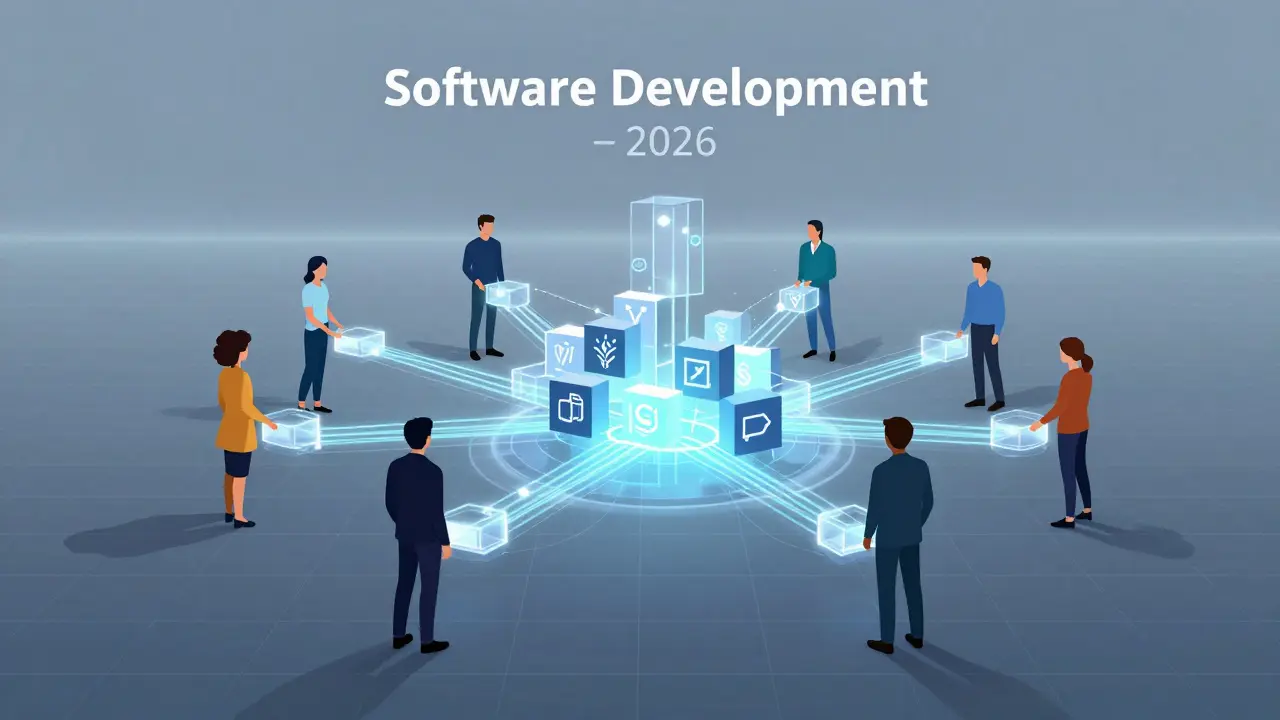
This evolution blurs the line between professional developers and citizen developers. The skill set for building software is shifting from memorizing syntax to mastering prompt engineering and system design. In 2026 and beyond, the ability to articulate your vision clearly will be more valuable than knowing how to write a loop in Java. Vibe coding is not replacing developers; it is empowering everyone to build.
Do I need to know any coding to use vibe coding?
You don't need to be an expert, but understanding basic concepts helps. Knowing what HTML, CSS, and JavaScript do allows you to give better prompts and debug issues faster. However, many new builders start with zero coding knowledge and learn through the process.
Which tools are best for vibe coding?
Popular choices include Cursor, which integrates AI directly into the VS Code environment, GitHub Copilot for inline suggestions, and Replit for browser-based coding. Each offers unique strengths depending on your workflow preferences.
Can vibe coding replace professional developers?
No. Vibe coding automates routine tasks, freeing professionals to focus on complex architecture, security, and optimization. It augments human capability rather than replacing it entirely.
Is the code generated by AI secure?
AI-generated code can contain vulnerabilities. Always review critical sections, especially those handling user data or authentication. Use additional security scanning tools and follow best practices for input validation.
How do I start my first vibe coding project?
Choose a simple goal, like a personal bio page. Install an AI-enabled editor like Cursor. Describe your desired layout and style in detail. Iterate on the results until you're satisfied. Then try adding interactivity, like a contact form.
- Jun, 4 2026
- Collin Pace
- 7
- Permalink
Written by Collin Pace
View all posts by: Collin Pace