Archive: 2026/08 - Page 3
How to Teach LLMs to Say 'I Don’t Know': Reducing Hallucinations with Uncertainty Prompts

Learn how to reduce LLM hallucinations by teaching models to say 'I don't know'. Explore US-Tuning, uncertainty prompts, and practical implementation steps for reliable AI.
- Aug 7, 2026
- Collin Pace
- 10
- Permalink
Vendor Management and Contracts for Large Language Model Providers: A Strategic Guide
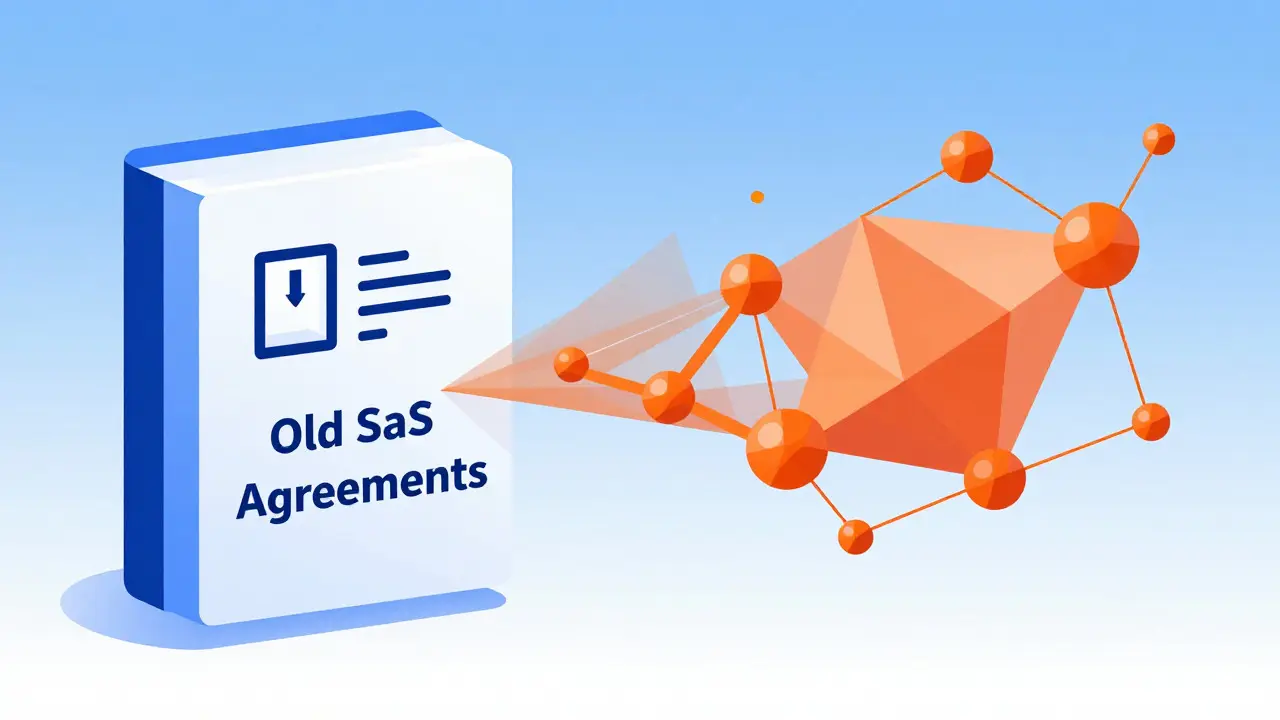
Learn how to structure contracts and manage vendors for Large Language Model providers. Covers dynamic SLAs, liability, data ownership, and regulatory compliance in 2026.
- Aug 6, 2026
- Collin Pace
- 5
- Permalink
Right-Sizing LLMs: Why Smaller Models Beat Bigger Ones in 2026

Discover why smaller LLMs beat bigger ones in 2026. Learn how right-sizing models cuts costs by 75%, boosts speed, and improves accuracy for specific tasks using architectures like Mixtral and Gemma 3.
- Aug 5, 2026
- Collin Pace
- 0
- Permalink
Toolformer-Style Prompts: How to Guide LLMs to Call Tools and APIs
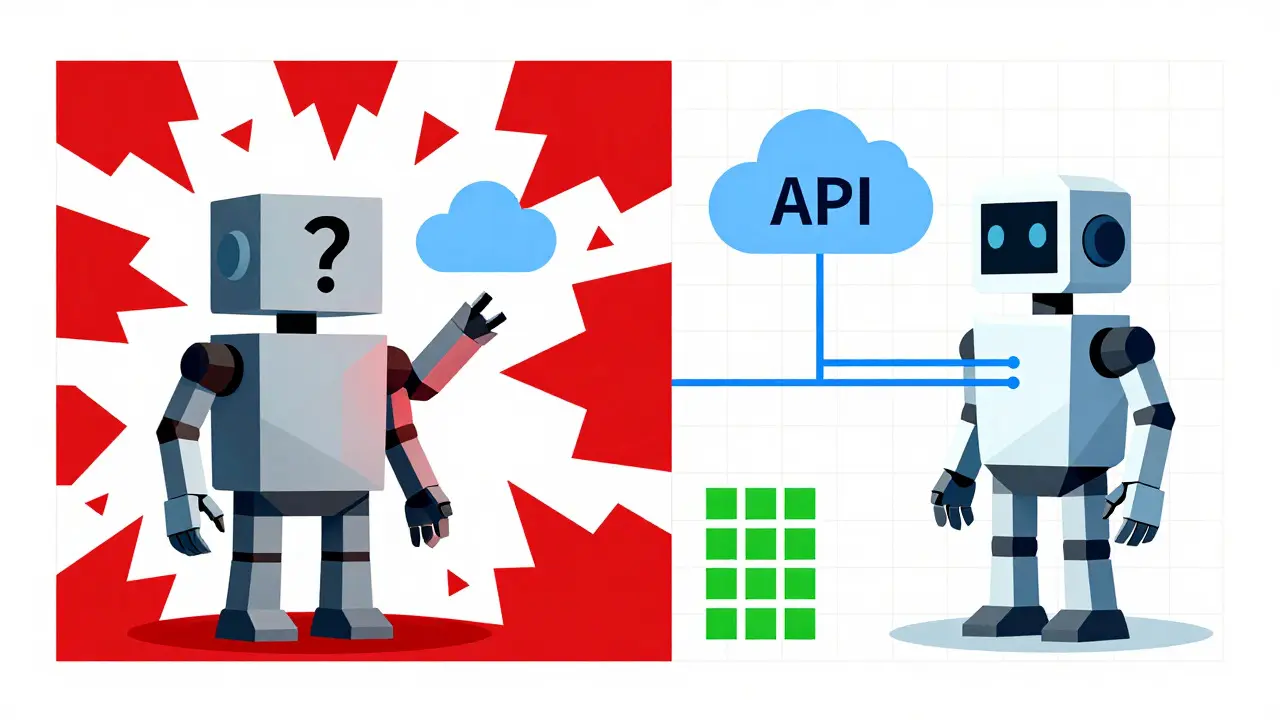
Learn how Toolformer-style prompts guide LLMs to autonomously call APIs and tools. Discover the technical differences between function calling and ReAct, implementation best practices, and how to build reliable agentic AI systems.
- Aug 3, 2026
- Collin Pace
- 0
- Permalink
Automated Architecture Lints: Enforcing Boundaries in Vibe-Coded Apps

Discover how automated architecture lints prevent structural debt in vibe-coded apps. Learn to enforce boundaries, choose the right tools, and maintain code quality in AI-driven development.
- Aug 2, 2026
- Collin Pace
- 0
- Permalink
Streaming Responses in LLM APIs: Architecture and User Experience

Explore the architecture of streaming responses in LLM APIs. Learn how SSE improves user experience, compare OpenAI and Anthropic implementations, and avoid common frontend pitfalls.
- Aug 1, 2026
- Collin Pace
- 0
- Permalink