Tag: transformer architecture
Encoder-Decoder vs Decoder-Only Transformers: Which Architecture Wins for LLMs?

Discover the critical differences between encoder-decoder and decoder-only transformers. Learn why GPT dominates chat while T5 rules translation, and choose the right LLM architecture for your needs.
- Sep 17, 2026
- Collin Pace
- 7
- Permalink
Why Large Language Models Beat Task-Specific NLP Systems

Discover why Large Language Models often beat specialized NLP tools. Learn about transformer advantages, few-shot learning benefits, and when traditional models still win.
- Sep 2, 2026
- Collin Pace
- 0
- Permalink
Causal Masking in Decoder-Only LLMs: How It Prevents Information Leakage

Discover how causal masking prevents information leakage in decoder-only LLMs like GPT-4. Learn the mechanics, challenges, and future of this critical transformer design pattern.
- Jul 24, 2026
- Collin Pace
- 0
- Permalink
From BERT to GPT: How LLM Architectures Evolved

Explore the architectural differences between BERT and GPT. Learn how encoder-only and decoder-only designs shape modern AI tasks.
- Jun 21, 2026
- Collin Pace
- 10
- Permalink
How Attention Head Specialization Works in Large Language Models
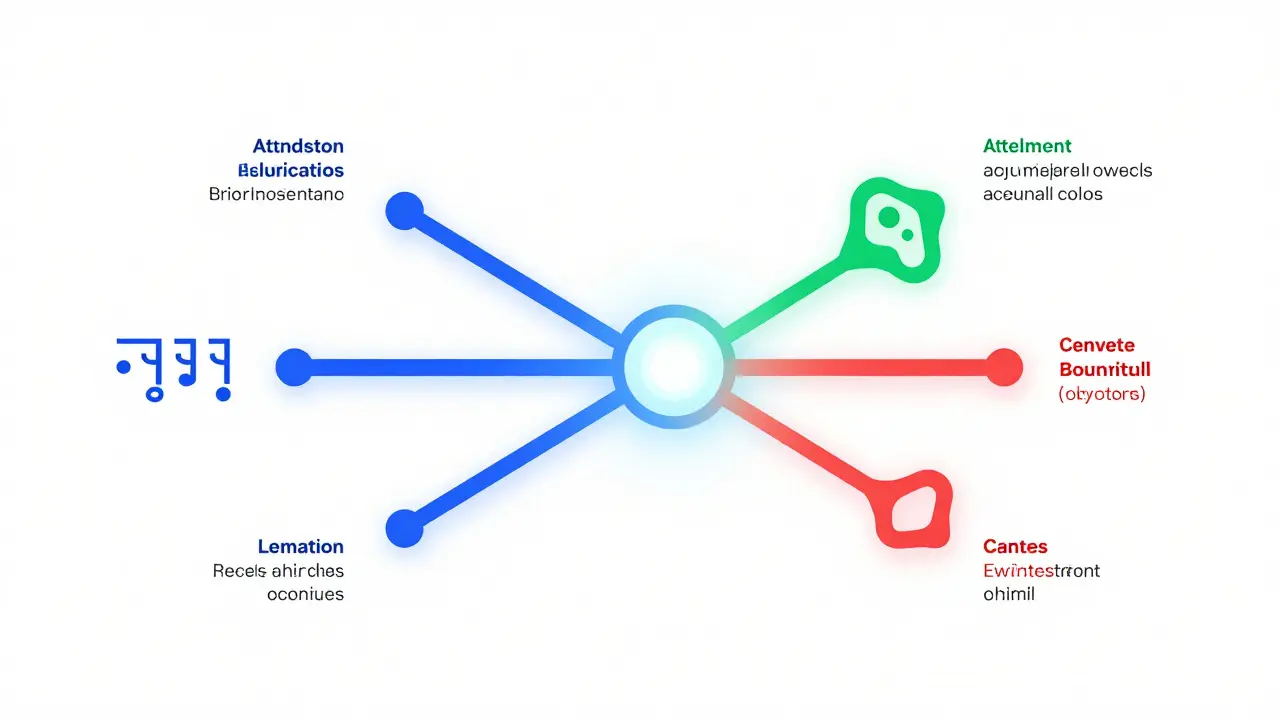
Explore how attention head specialization enables LLMs to process grammar, facts, and context simultaneously. Learn about pruning, efficiency, and the inner workings of transformer architectures.
- Jun 20, 2026
- Collin Pace
- 0
- Permalink
How LLM Attention Works: Key, Query, and Value Projections Explained

Explore how Key, Query, and Value matrices drive attention in LLMs. Understand their roles, math, and impact on AI performance with clear explanations and practical insights.
- May 3, 2026
- Collin Pace
- 0
- Permalink
Sliding Windows and Memory Tokens: Extending LLM Attention

Explore how Sliding Window Attention and Memory Tokens extend Large Language Model capabilities. Learn about transformer design optimizations that balance computational efficiency with long-context understanding.
- May 1, 2026
- Collin Pace
- 0
- Permalink
How Large Language Models Handle Many Languages: Multilingual NLP Progress
Explore how Large Language Models use cross-lingual alignment and the 'English bridge' to process multiple languages, bridging the gap for low-resource tongues.
- Apr 28, 2026
- Collin Pace
- 6
- Permalink
Feedforward Networks in Transformers: Why Two Layers Boost Large Language Models

Feedforward networks in transformers are the hidden force behind large language models. Despite their simplicity, the two-layer design powers GPT-3, Llama, and Gemini by balancing depth, efficiency, and stability. Here’s why no one has replaced it.
- Mar 18, 2026
- Collin Pace
- 5
- Permalink
How Context Windows Work in Large Language Models and Why They Limit Long Documents

Context windows limit how much text large language models can process at once, affecting document analysis, coding, and long conversations. Learn how they work, why they're a bottleneck, and how to work around them.
- Feb 23, 2026
- Collin Pace
- 0
- Permalink
Contextual Representations in Large Language Models: How LLMs Understand Meaning
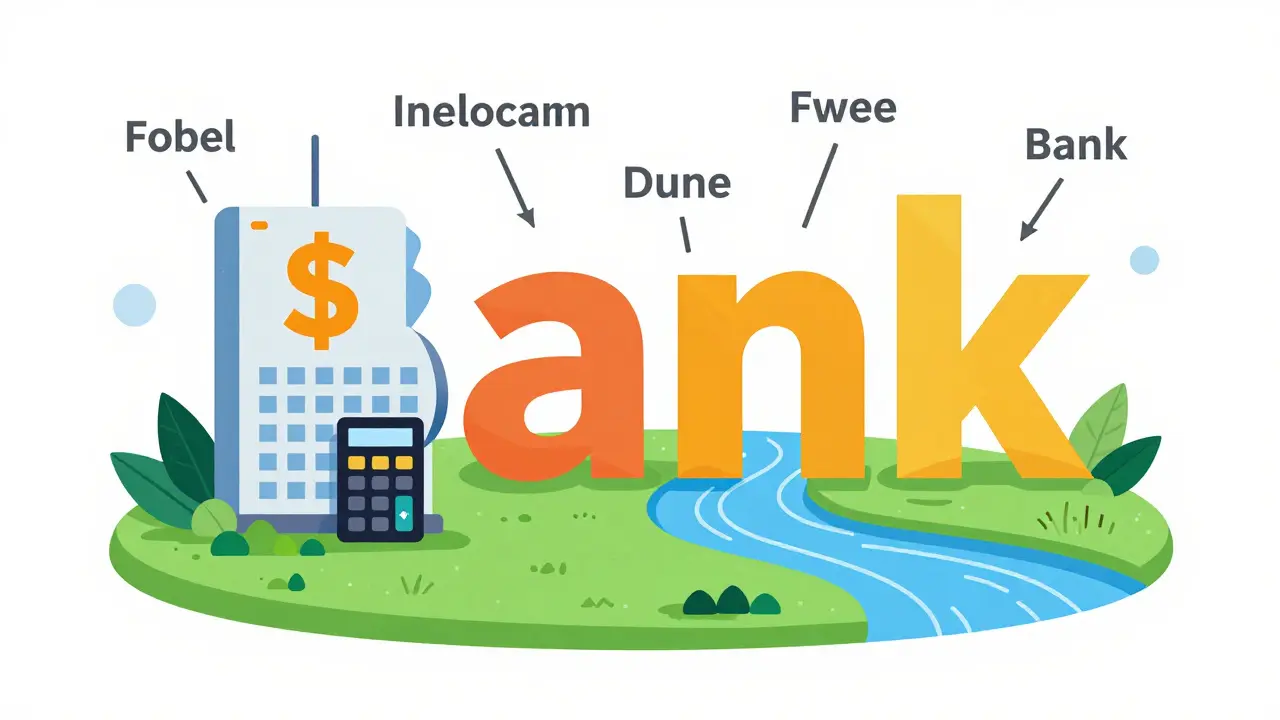
Contextual representations let LLMs understand words based on their surroundings, not fixed meanings. From attention mechanisms to context windows, here’s how models like GPT-4 and Claude 3 make sense of language - and where they still fall short.
- Sep 16, 2025
- Collin Pace
- 0
- Permalink