Category: Artificial Intelligence - Page 2
BERT vs GPT: How Encoder-Only and Decoder-Only Models Shape Modern NLP
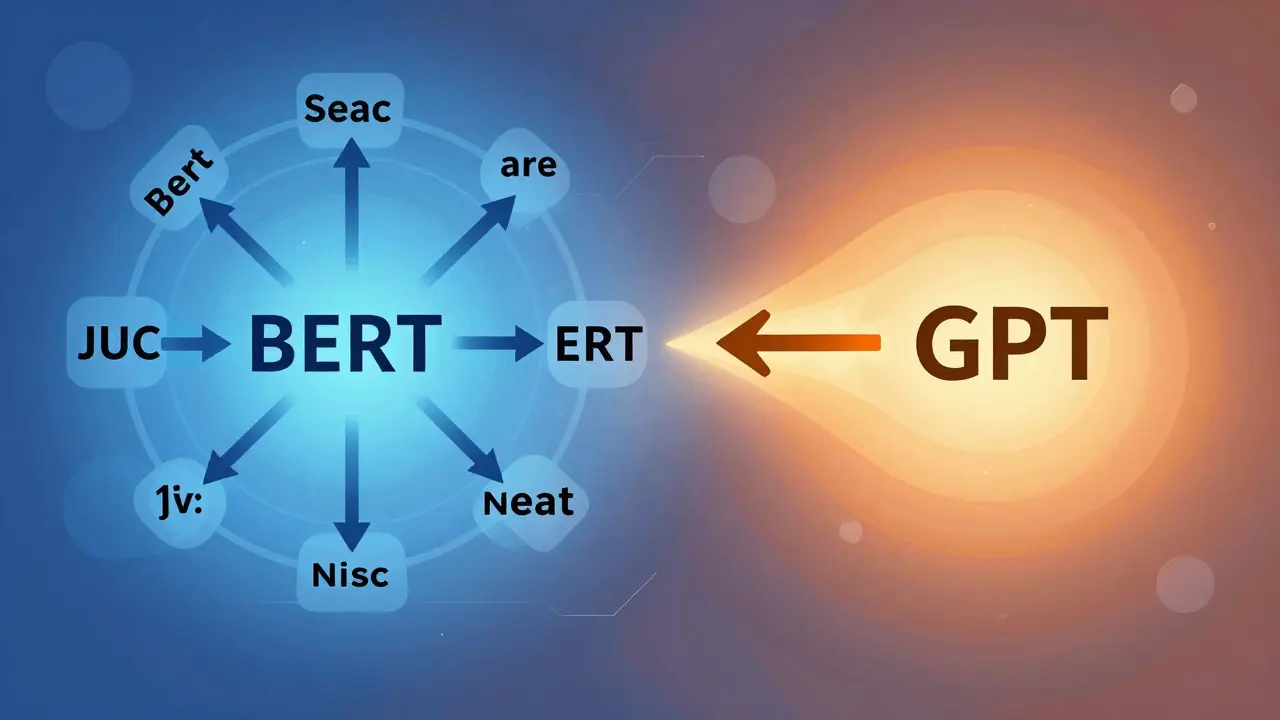
BERT and GPT revolutionized NLP with opposite approaches: BERT understands language bidirectionally, while GPT generates text autoregressively. Learn how their architectures shape real-world AI applications today.
- Feb 27, 2026
- Collin Pace
- 9
- Permalink
Designers to Builders: How Vibe Coding Turns Figma Designs into Real Apps
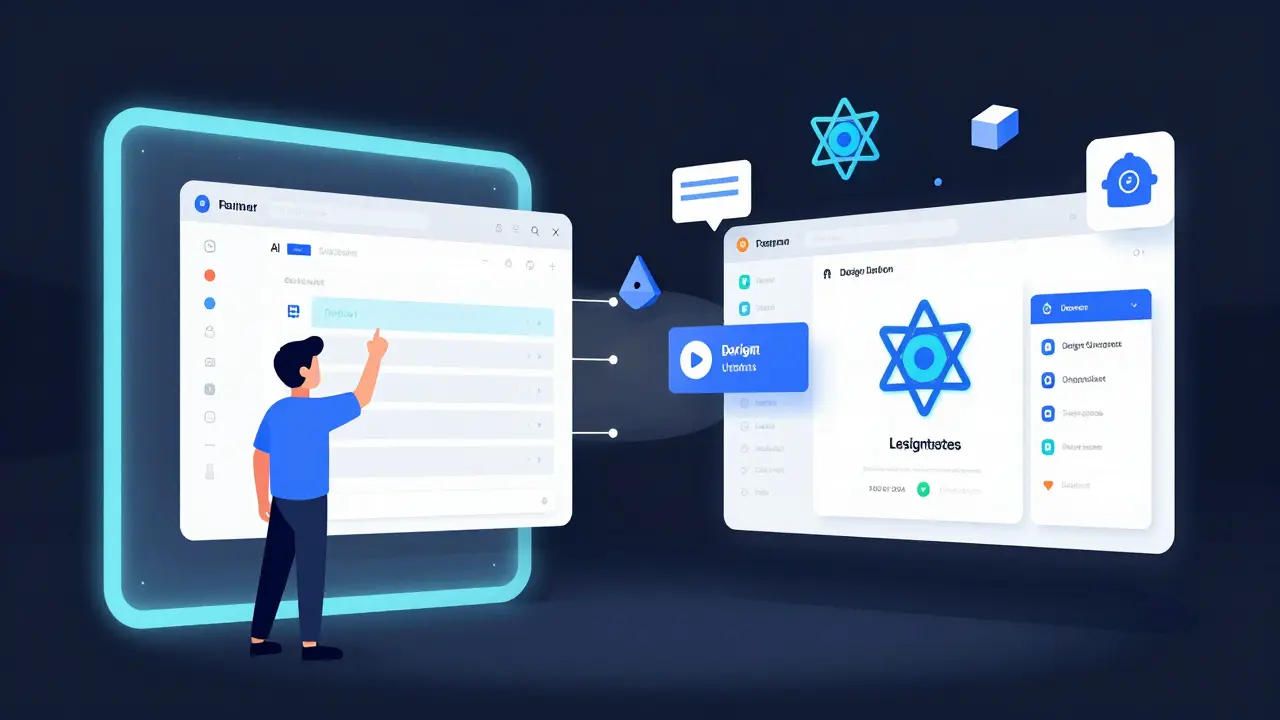
Vibe coding turns Figma designs into working code using AI, letting designers skip the handoff and build prototypes in minutes. Learn how it works, which tools deliver, and why it’s not replacing developers-but changing how teams move.
- Feb 26, 2026
- Collin Pace
- 6
- Permalink
Video Understanding with Generative AI: Captioning, Summaries, and Scene Analysis

Generative AI now automatically captions, summarizes, and analyzes video content with 89%+ accuracy. Learn how models like Google's Gemini 2.5 work, their real-world limits, and what's coming in 2026.
- Feb 25, 2026
- Collin Pace
- 7
- Permalink
How Context Windows Work in Large Language Models and Why They Limit Long Documents

Context windows limit how much text large language models can process at once, affecting document analysis, coding, and long conversations. Learn how they work, why they're a bottleneck, and how to work around them.
- Feb 23, 2026
- Collin Pace
- 0
- Permalink
Pair Reviewing with AI: Human + Model Code Review Workflows
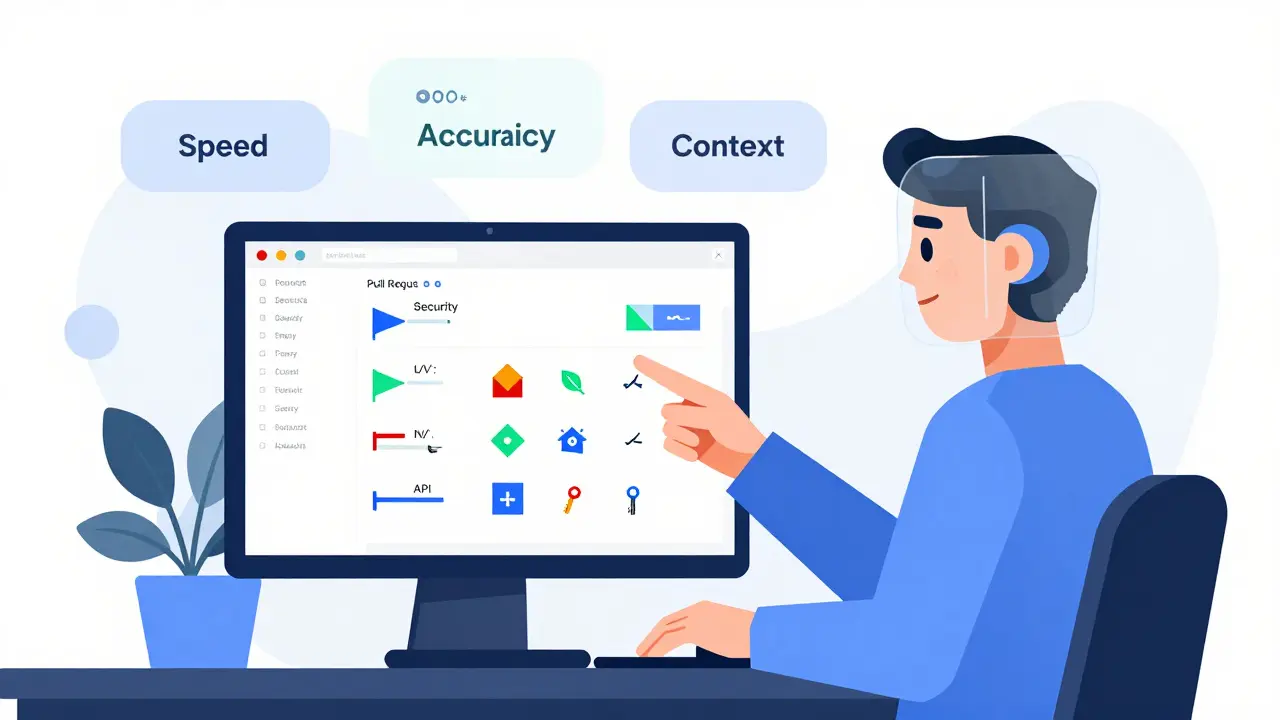
AI code review tools now pair with human developers to catch bugs faster, reduce review fatigue, and improve code quality. Learn how Microsoft, Greptile, and CodeRabbit are transforming pull request workflows with AI-assisted reviews.
- Feb 18, 2026
- Collin Pace
- 8
- Permalink
Democratization of Software Development Through Vibe Coding: Who Can Build Now
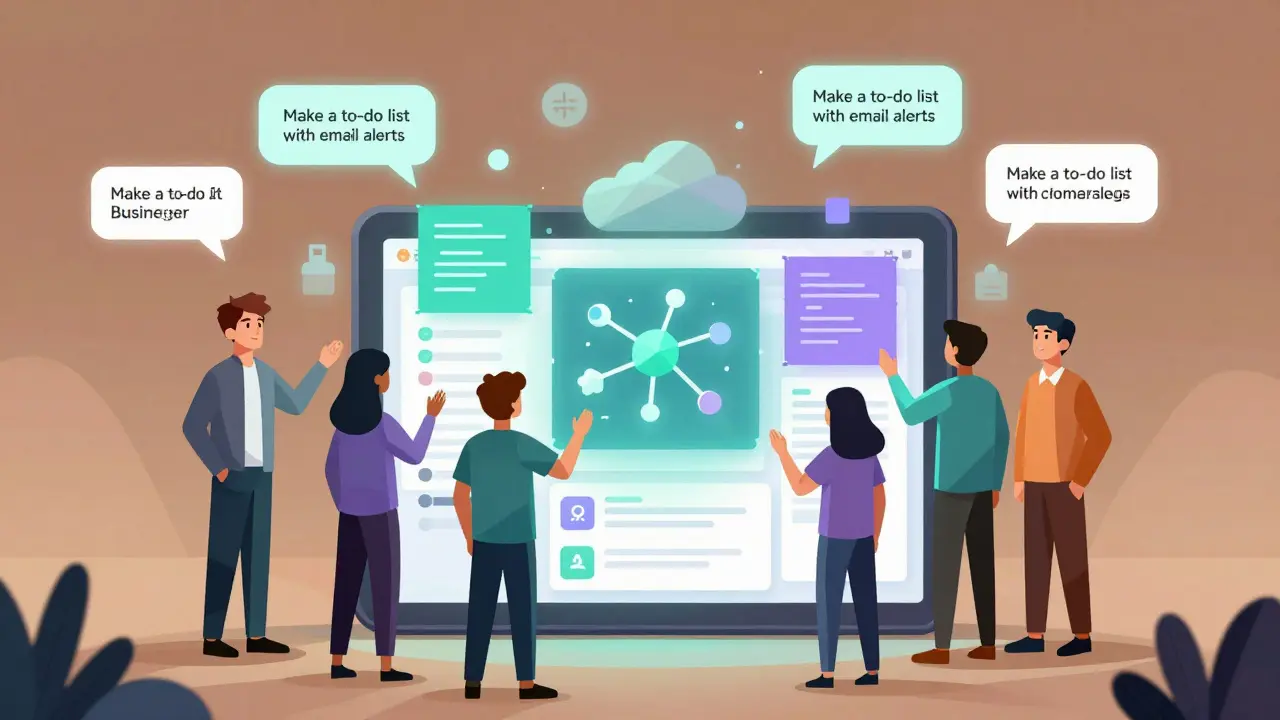
Vibe coding lets anyone build software using plain language instead of code. From teachers to small business owners, non-developers are now creating functional apps in hours - not months. Here’s how it works, who’s using it, and what you need to know.
- Feb 15, 2026
- Collin Pace
- 5
- Permalink
Clean Architecture in Vibe-Coded Projects: How to Keep Frameworks at the Edges
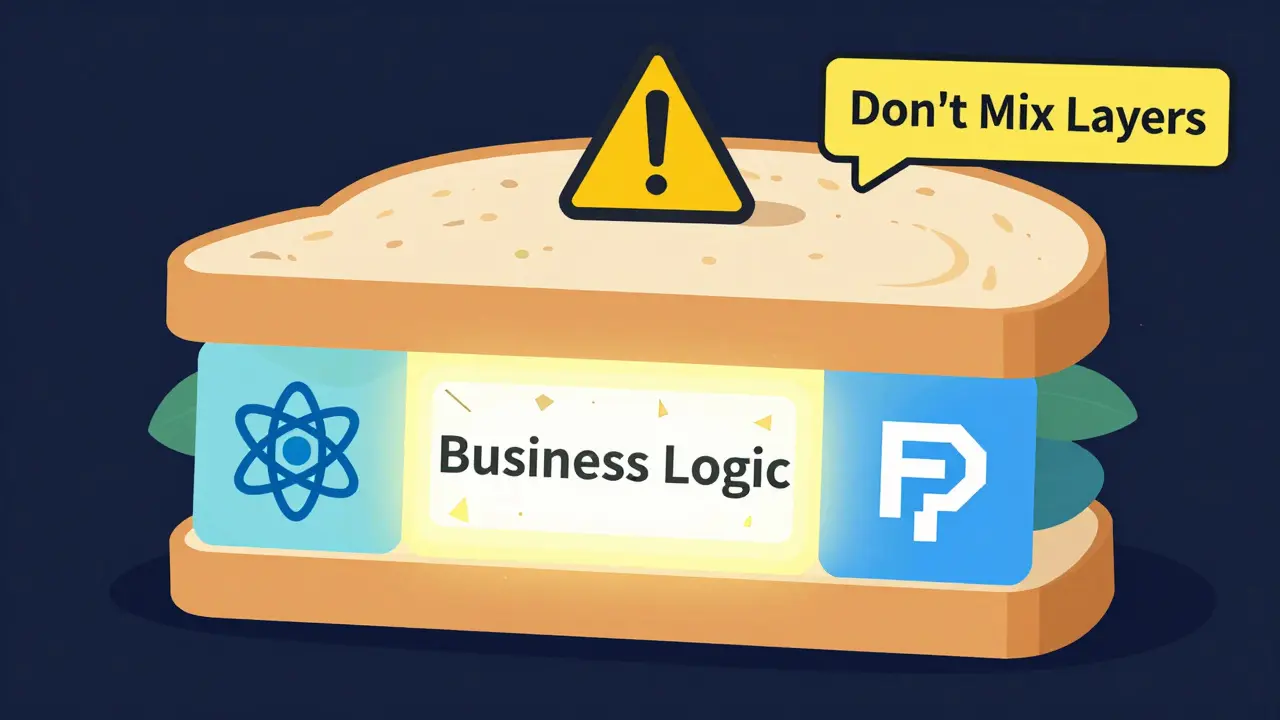
Clean Architecture in vibe-coded projects keeps AI-generated code from corrupting business logic. By confining frameworks to the edges and enforcing boundaries with tools like Sheriff, teams cut architectural debt by 89% and ship features 40% faster after setup.
- Feb 10, 2026
- Collin Pace
- 0
- Permalink
Budgeting for Vibe Coding Platforms: Licenses, Models, and Cloud Costs
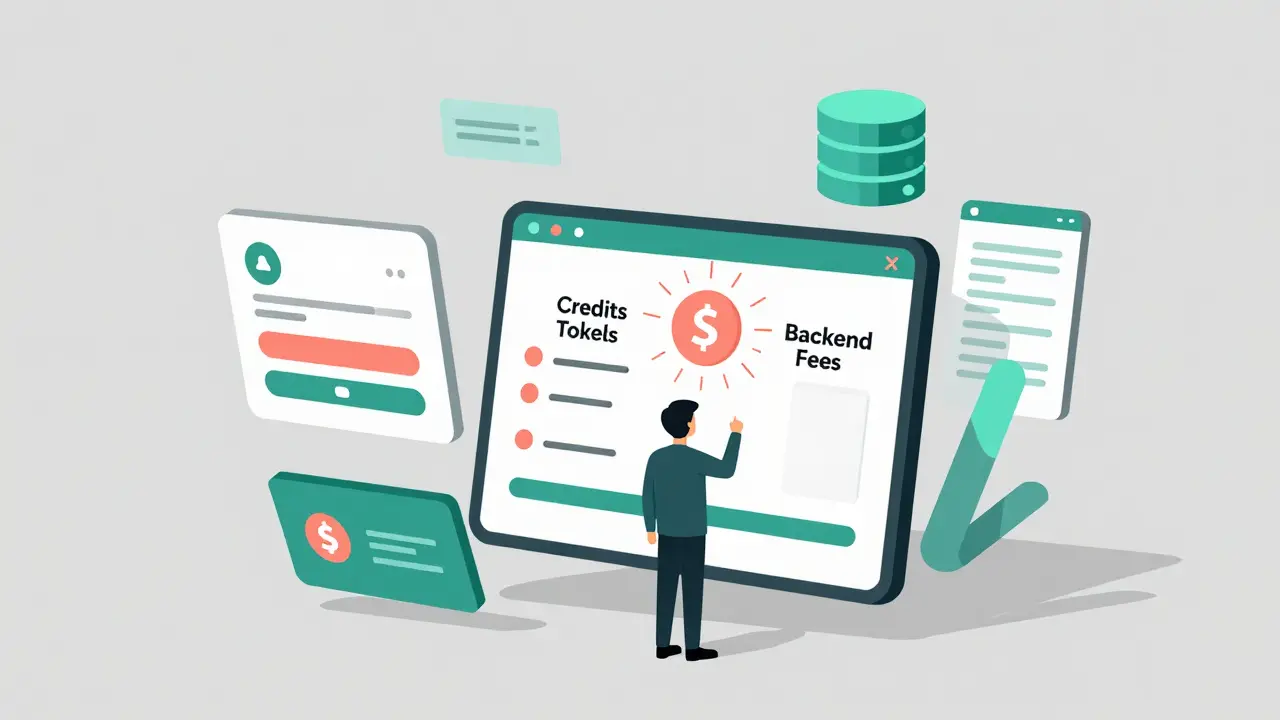
Vibe coding platforms promise to build apps with chat, but hidden costs in credits, tokens, and backend services can skyrocket your budget. Learn how much you really need to spend in 2026.
- Feb 8, 2026
- Collin Pace
- 7
- Permalink
Comparing LLM Provider Prices: OpenAI, Anthropic, Google, and More in 2026
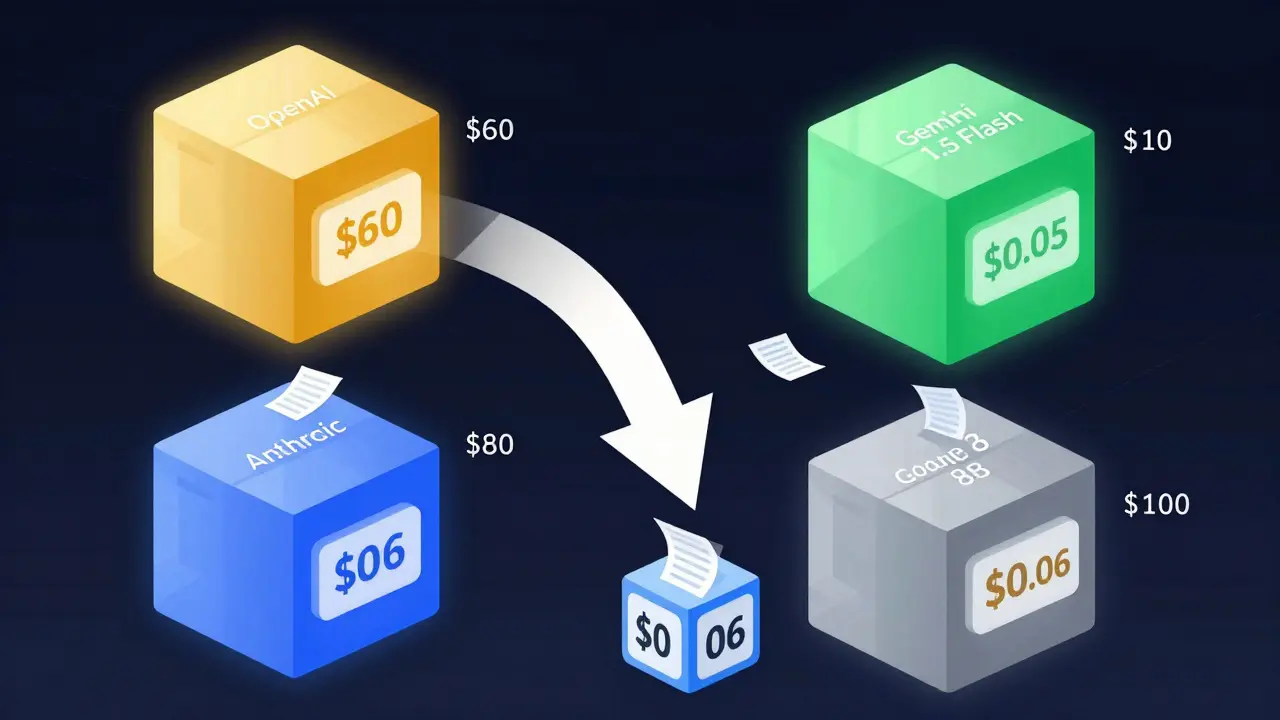
In 2026, LLM pricing has dropped 98% since 2023. Compare OpenAI, Anthropic, Google, and Meta's costs, context windows, and real-world performance to find the best value for your use case.
- Feb 7, 2026
- Collin Pace
- 7
- Permalink
Long-Context AI: How Memory and Persistent State Are Changing AI in 2026

Exploring how AI systems now handle millions of tokens of context, enabling persistent memory across interactions. Key breakthroughs in 2026 and real-world impacts for enterprises.
- Feb 6, 2026
- Collin Pace
- 7
- Permalink
v0, Firebase Studio, and AI Studio: How Cloud Platforms Support Vibe Coding

Firebase Studio, v0, and AI Studio are reshaping how developers build apps using natural language. Learn how each tool supports vibe coding and which one fits your workflow in 2026.
- Feb 2, 2026
- Collin Pace
- 7
- Permalink
Prompt Chaining vs Single-Shot Prompts: Designing Multi-Step LLM Workflows

Prompt chaining breaks complex AI tasks into sequential steps for higher accuracy, while single-shot prompts work best for simple tasks. Learn when and how to use each approach effectively.
- Feb 1, 2026
- Collin Pace
- 9
- Permalink